

On Your Game
Grand Rapids, MI
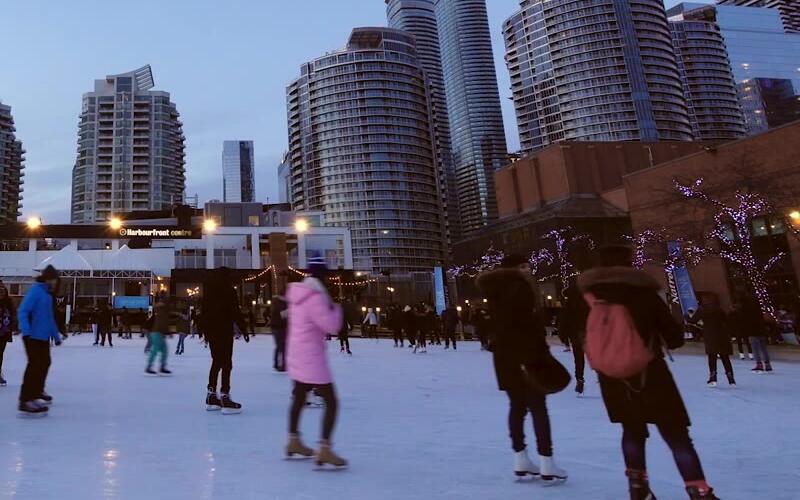
The short answer: wear warm, flexible layers, one pair of thin socks, and gloves. Add a helmet for young kids and beginners. Skip anything stiff, bulky, or dangling.
Skating keeps you moving, so you warm up faster than you might expect. The goal is to stay comfortable when you first step on the ice and still be comfortable twenty minutes later when you are working hard.
Everything else on this page explains why each item matters and how to adjust for indoor versus outdoor ice.
Layering lets you adjust as your body warms up. You can unzip or remove a layer after a few laps, then put it back on when you take a break.
Choose a fitted, moisture-wicking top made of synthetic fabric or wool. These pull sweat away from your skin so you do not get chilled when you slow down.
Cotton is fine for a short, casual session, but it holds sweat and dries slowly. For longer skates or outdoor ice, a wicking layer makes a noticeable difference.
A fleece, a light sweater, or a long-sleeve athletic top works well. It should be warm without being bulky, so you can still swing your arms for balance.
Indoors, a light jacket or vest is usually plenty. Outdoors, wear a water-resistant jacket that blocks wind. Make sure it does not restrict your arms when you hold them out in front of you.
Your knees need to bend deeply for good balance, so your pants should move with you. Good options include:
Pants should fit over the skate boot or tuck neatly inside it. Very wide or long hems can catch on the blade or get stepped on.
This is the tip that surprises most people. Thick socks feel like the obvious choice for cold ice, but they usually make things worse.
Thick or doubled socks can bunch up and cause blisters. They also let your foot slide around inside the boot, which reduces support and control.
Tight boots plus thick socks can squeeze circulation, which actually makes toes colder. A snug skate over a thin sock keeps your foot secure and warm. For more on getting the boot right, see how ice skates should fit.
Gloves keep your hands warm, but they also protect them. The ice is hard and cold, and falls happen. Gloves give a layer of protection when your hands touch the ice.
Light gloves are fine indoors. Outdoors, insulated gloves or mittens are better. Gloves make it easier to grip the wall and adjust laces, while mittens tend to be warmer for small children.
Whatever you choose, make sure they cover all of your fingers. Fingerless gloves leave fingers exposed to cold and to the ice.
New skaters tend to fall backward, and the back of the head is vulnerable on hard ice. A helmet is a smart choice for young children and for beginners of any age who feel unsteady.
Heading out with little skaters? Our guide to ice skating with kids has more tips on gear and keeping the day fun.
A few common outfit choices can make skating colder, harder, or less safe.
| Skip this | Why | Wear this instead |
|---|---|---|
| Jeans | Stiff, limit knee bend, soak through and stay cold after a fall | Leggings, joggers, or snow pants |
| Long dangling scarves | Can catch on other skaters, the wall, or your own blades | A neck gaiter or a short scarf tucked into your jacket |
| Thick or doubled socks | Bunch up, cause blisters, reduce fit and warmth | One pair of thin wool or synthetic socks |
| Heavy, bulky coats | Restrict arm movement and overheat you quickly | Layers you can unzip or remove |
| Long, loose hair or drawstrings | Can block vision or snag | Tie hair back and tuck in cords |
| Dangling jewelry | Can snag or get lost on the ice | Leave it at home or in a locker |
Also keep phones and keys in a zipped pocket. Items that fall on the ice can trip other skaters and are easy to lose.
The basic outfit is the same, but outdoor ice adds wind, sun, and real winter temperatures.
Indoor rinks are kept cool so the ice stays frozen, and many first-timers are surprised by how chilly it feels. Still, you will warm up quickly once you start moving.
Curious why rinks feel the way they do? Read how indoor ice rinks work.
Dress for the actual weather, including wind chill. Your face, ears, and fingers will feel the cold first.
If you are thinking about skating on a pond or lake, clothing is only part of it. Read is pond ice safe to skate on before heading out.
Once you are dressed right, you can focus on the fun part. If it is your first time, our beginner's guide to ice skating walks you through your first steps on the ice.
Ready to put this into practice? Browse ice rinks by state or search the directory.
You can, but they are not ideal. Denim is stiff, restricts knee bend, and stays cold and heavy once it gets wet from a fall. Leggings, joggers, or snow pants are better choices.
No. One pair of thin to medium socks works best. Thick or doubled socks bunch up, cause blisters, reduce the feel of the skate, and can make your feet colder by squeezing circulation.
Helmets are strongly recommended for young children and beginners of any age, since falling backward is common. Some rinks require them for certain ages or programs, so check the rink's rules.
Yes, indoor rinks are kept cool so the ice stays frozen, and it often feels colder than people expect, especially for spectators. A light jacket or fleece and gloves are usually enough for skaters.
Either works. Gloves give you a better grip on the wall and your laces, while mittens are warmer for small kids outdoors. Choose something that covers the fingers fully.
Spectators get colder than skaters because they are sitting still. Bring a warm jacket, a hat, and gloves, and consider a blanket for long sessions or games.
Featured
Picked from the highest-rated rinks we list nationwide.
Grand Rapids, MI
Annapolis, MD
Las Vegas, NV
Akron, OH


