
Public Skating Sessions Explained
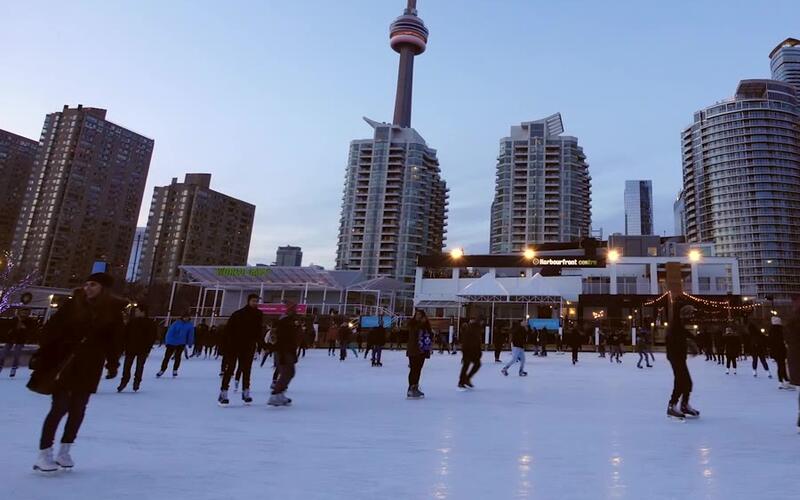
A public skating session is a set block of time when a rink opens its ice to anyone who pays admission. Kids, adults, first-timers and seasoned skaters all share the same sheet of ice, skating in loose loops around the rink for fun.
It is the easiest way to get on the ice, and knowing how sessions work makes your first visit a lot smoother. Here is what to expect, from schedules and rentals to rink rules and other session types you might see posted.
What Is a Public Skate?
Ice rinks juggle a lot of users: hockey teams, figure skaters, lessons, leagues and private rentals. Public skating is the part of the schedule set aside for general, recreational skating open to everyone.
During public skate you can expect:
- Mixed ages and abilities. Toddlers on skate aids next to confident skaters cruising by.
- Casual skating. No drills, no coaches running the ice, just laps at your own pace.
- Music. Many rinks play music over the speakers, and some host themed nights.
- Staff on the ice or nearby. Many rinks have skate guards or monitors who keep things safe and enforce the rules.
How Public Sessions Are Scheduled
Rinks schedule public skating in blocks that fit around everything else using the ice. Exact times vary a lot from rink to rink and from season to season.
Common Scheduling Patterns
- Weekday sessions are often shorter and may fall in the middle of the day, when hockey and lessons are less busy.
- Weekend sessions tend to be longer and more popular, especially in the afternoon.
- Evening sessions are offered at some rinks, sometimes with music or lights.
- Holiday and school break sessions are often added when kids are out of school.
- Seasonal changes are common. Some rinks offer more public skating in winter and less during busy hockey tournaments.
Resurfacing Between Sessions
Between sessions, and sometimes partway through a long one, skaters are asked to leave the ice. An ice resurfacer then drives over the surface, shaving off the rough top layer and laying down a thin coat of water that freezes into a smooth new surface.
That fresh sheet is one of the best parts of skating at a maintained rink. If you get to skate right after a resurface, you will feel the difference. Learn more in how indoor ice rinks work.
What Is Usually Included
Every rink sets up pricing differently, but here is what most public sessions look like.
| Item | What to expect |
|---|---|
| Admission | Covers your time on the ice for that session. Many rinks have different rates for kids, adults and seniors. |
| Skate rental | Often a separate charge from admission. If you bring your own skates, you skip it. |
| Skate aids | Many rinks offer them for beginners, sometimes for an extra fee and often in limited numbers. |
| Lockers | Some rinks have coin or key lockers. Others have cubbies or benches only. |
| Skate sharpening | Usually a separate service at the pro shop, if the rink has one. |
Some rinks offer punch cards, family packages or season passes for frequent skaters. Check the rink's website or ask at the front desk.
Tips for the Rental Counter
- Arrive early. Lines can be long at the start of a busy session.
- Know your size. Rental skates are often sized like street shoes, but ask staff if you are unsure.
- Check the fit. Your heel should stay put and your ankle should feel supported. See how ice skates should fit.
- Swap if something feels off. If a pair feels dull or uncomfortable, ask for another.
Common Rink Rules
Public skate is relaxed, but it works only when everyone follows the same rules. Specific rules vary by rink, so read the posted signs. These are some of the most common.
- Skate in one direction. Most rinks have everyone skate the same way around the ice, usually counterclockwise. Some switch direction partway through a session, often announced over the speakers.
- No racing or speed skating. Fast skating weaving through crowds is a top cause of collisions.
- No tag, chains or games. Long lines of people holding hands can trip others.
- No carrying children. Many rinks prohibit carrying kids on the ice because a fall can injure both skater and child.
- No food, drinks or gum on the ice. Spills and debris can make the ice dangerous.
- Stay off the ice during resurfacing. Wait until staff say the ice is open.
- Gloves may be required. Some rinks ask all skaters to wear gloves or mittens to protect hands from blades.
- Center ice may be reserved. Some rinks keep the middle open for practicing skills or for beginners with staff help.
Rink staff can remove skaters who ignore the rules. They are there to keep the ice safe for everyone, so follow their lead.
Etiquette for a Great Session
- Beginners, hug the wall. Staying near the boards keeps you out of the main flow while you build confidence.
- Do not stop in the middle of traffic. Pull over to the wall if you need a break.
- Get up quickly after a fall. Others need to see and avoid you. Our beginner's guide shows how to get up safely.
- Look before you move. Check over your shoulder before changing direction or stepping off the wall.
- Learn to stop. A reliable stop is the most useful skill on a busy rink. Try our guide on how to stop on ice skates.
Public Skate vs Freestyle vs Stick and Puck
Rink schedules often list several kinds of sessions. Here is what they generally mean, although each rink sets its own rules.
Public Skate
Open to everyone who pays admission. Casual skating, all ages and skill levels. This is the session for families, date nights and first-timers.
Freestyle
Ice time set aside for figure skaters to practice jumps, spins and programs. Freestyle sessions are usually less crowded, but they are not for beginners. Many rinks require a minimum skill level or a club membership.
Figure skaters often play their program music during freestyle, and the skater whose music is playing typically has the right of way. Coaches frequently give private lessons during these sessions.
Stick and Puck
Ice time for hockey players to practice stickhandling, passing and shooting outside of an organized game. Rules vary, but many rinks require full or partial hockey gear, especially a helmet, and some set age limits for different sessions.
Other Sessions You Might See
- Adult skate: public skating limited to adults, often quieter and more relaxed.
- Parent and tot: sessions designed for young children and their grown-ups.
- Learn to skate: group classes for beginners, grouped by age and ability.
- Drop-in hockey: informal pickup games, usually requiring full gear.
- Private rentals: ice booked by a group, team or party. The rink is closed to the public during these.
How to Check the Schedule
Rink schedules change often. Hockey tournaments, figure skating competitions, holidays and maintenance can all bump or cancel public sessions.
- Check the rink's website. Most rinks post a weekly or monthly calendar.
- Look at the rink's social media. Last-minute changes are often posted there first.
- Call the rink. A quick call is the most reliable way to confirm times, rental availability and any special rules.
- Ask about busy times. Staff can tell you which sessions tend to be calmer, which is great for beginners and young kids.
What to Bring
- Warm, flexible layers and gloves. See what to wear ice skating.
- Thin socks that come up above the top of the skate
- A helmet for young kids if the rink recommends one
- Water and a small snack for breaks
- Your own skates and guards, if you have them
Bringing little ones? Our guide to ice skating with kids covers first-visit tips for families.
Ready to head out? Browse ice rinks by state or search the directory.
Frequently asked questions
What is a public skating session?
A public skating session is a scheduled block of time when the rink is open to anyone who pays admission. Skaters of all ages and abilities share the ice for casual, recreational skating.
Is skate rental included in public skating admission?
It depends on the rink. At many rinks skate rental is a separate charge from admission, while some offer packages. Check the rink's website or call ahead.
Why does the rink close between sessions?
Rinks usually clear the ice between sessions so an ice resurfacer can smooth the surface. Fresh ice is safer and much easier to skate on.
Can beginners skate during freestyle sessions?
Freestyle sessions are usually reserved for figure skaters practicing jumps, spins and programs, and many rinks require a minimum skill level. Beginners are generally better off at public skate.
How do I find out when public skating is offered?
Check the rink's website or social media pages, or call the rink directly. Schedules often change for holidays, hockey games and special events, so confirm before you go.
Featured
Featured ice rinks
Picked from the highest-rated rinks we list nationwide.


Bobby Hull Community Ice Rink
Cicero, IL

Stumptown Ice Den
Whitefish, MT

Howelsen Ice Arena
Steamboat Springs, CO